
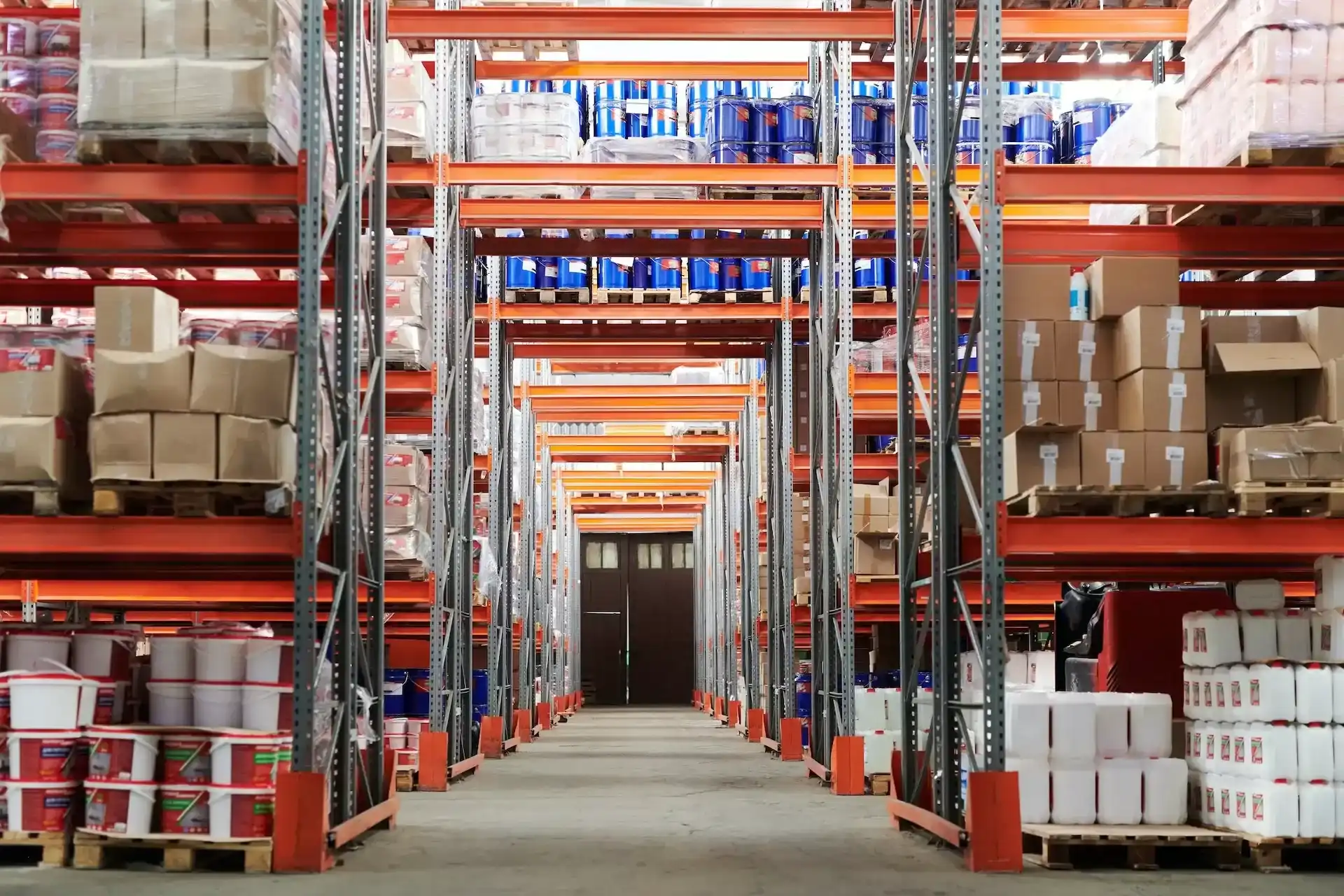
Storage & Warehousing Services for Freight Management and Custom Packaging
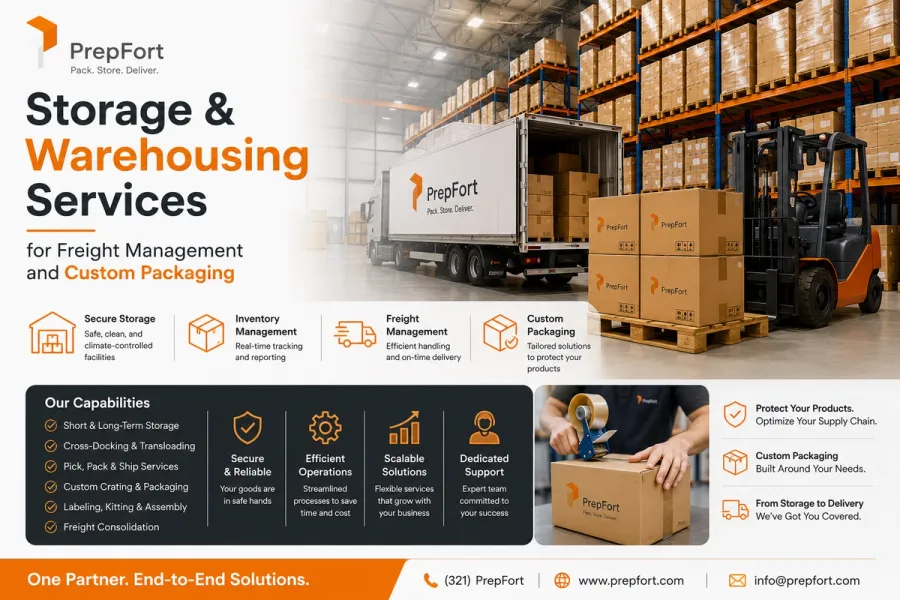
Storage & warehousing is one of the most important parts of an efficient supply chain. When inventory is stored properly, organized well, and prepared for shipment correctly, businesses can operat
June 17, 2026 · By PrepFort TeamStorage & warehousing is one of the most important parts of an efficient supply chain. When inventory is stored properly, organized well, and prepared for shipment correctly, businesses can operate faster, reduce errors, and deliver a better customer experience. For companies that handle physical products, storage & warehousing is not just a support function. It is a strategic advantage.
Today’s businesses need more than just a place to keep products. They need a system that connects Freight Management and Custom Packaging in a way that improves performance from receiving to final delivery. A well-planned warehouse does exactly that. It helps businesses protect inventory, streamline order handling, and reduce operational waste.
This article explains what storage & warehousing is, why it matters, and how freight management and custom packaging fit into the process. It also shows how businesses can use these services to build a stronger, more scalable supply chain.
What Is Storage & Warehousing?
Storage & warehousing refers to the process of receiving, organizing, storing, and moving products in a controlled facility. It is more than simply keeping goods in a building. A warehouse is an active part of logistics where inventory is managed, orders are prepared, and shipments are coordinated.
Warehousing gives businesses a central location to hold products before they are needed by customers, retailers, or distribution partners. It helps companies maintain inventory visibility and create a more reliable workflow.
Why Warehousing Matters
Warehousing matters because it gives businesses control over inventory. Without a structured warehouse system, products can be damaged, misplaced, delayed, or shipped inefficiently. A strong warehousing setup helps prevent these issues and supports smoother operations.
Storage vs. Warehousing
Storage usually means keeping goods in a place for later use. Warehousing is broader. It includes receiving inventory, organizing stock, picking items, packing orders, and shipping them. In other words, warehousing is an active logistics function, not just a storage solution.
Why Storage & Warehousing Is Important
Businesses rely on storage & warehousing to keep products moving through the supply chain. Whether they sell to consumers, wholesalers, or retailers, they need a dependable system for managing inventory.
Good warehousing supports growth by reducing bottlenecks. It helps companies avoid stockouts, overstocking, and shipping mistakes. It also improves customer satisfaction by making sure orders are filled accurately and on time.
Better Inventory Control
A warehouse gives businesses visibility into what they have, where it is located, and how fast it is moving. That information is essential for planning and replenishment.
Faster Order Processing
When products are organized well, orders can be picked and packed more quickly. That improves turnaround time and helps businesses stay competitive.
Improved Scalability
A strong warehouse system makes it easier for businesses to scale. As demand grows, the facility can support more inventory and more shipments without losing efficiency.
The Role of Freight Management
Freight Management is a key part of storage & warehousing because products must move into and out of the warehouse efficiently. Freight management covers the planning, coordination, and oversight of transportation.
When freight management is handled well, businesses can reduce shipping costs, improve timing, and avoid unnecessary disruptions. It connects warehouses with suppliers, carriers, and customers.
Why Freight Management Matters
Freight management matters because transportation affects nearly every part of the logistics process. Late shipments, damaged goods, and poor routing can all create extra costs. A structured freight strategy helps prevent those issues.
How Freight Management Supports Warehousing
Warehouses depend on freight management for inbound shipments and outbound deliveries. That means transportation planning directly affects inventory flow, warehouse productivity, and delivery performance.
Key Freight Management Benefits
Lower shipping costs through smarter planning.
Better delivery timing through coordinated routing.
Less product damage through careful handling.
Improved visibility into product movement across the supply chain.
Why Custom Packaging Matters
Custom Packaging is another important part of storage & warehousing because packaging affects product protection, shipping efficiency, and presentation. The right packaging helps protect goods during storage and transit while also supporting brand identity.
Packaging is not just about appearance. It also impacts how products are stored, handled, stacked, and shipped. Good packaging can reduce damage, lower freight costs, and improve the customer experience.
Why Packaging Should Be Customized
Different products have different packaging needs. Fragile items, heavy items, oddly shaped products, and branded retail goods may all require different materials or box sizes. A one-size-fits-all approach can create waste and increase shipping problems.
Packaging as a Brand Asset
Custom packaging can do more than protect products. It can also strengthen a brand’s image. When packaging is designed well, it helps create a better first impression and improves how customers perceive the product.
How Custom Packaging Supports Warehousing
In a warehouse, custom packaging can make products easier to sort, store, and prepare for shipping. It can also reduce empty space, protect goods from damage, and improve workflow efficiency.
How Storage, Freight, and Packaging Work Together
These services are closely connected. Storage & warehousing provides the physical foundation. Freight management moves goods in and out. Custom packaging protects and presents the product. Together, they create a smoother and more effective supply chain.
When all three work well together, businesses can reduce delays, lower costs, and improve order accuracy. When one part is weak, the others usually feel the impact. For example, poor freight planning can delay receiving, while weak packaging can lead to product damage or higher shipping costs.
A Connected System
A warehouse should not be treated as a separate part of the business. It is part of a connected system. The stronger the links between storage, transportation, and packaging, the stronger the entire operation becomes.
Better Coordination Means Better Results
Businesses that coordinate these services well usually experience fewer errors and happier customers. That coordination is what turns warehousing into a strategic business advantage.
How Storage & Warehousing Improves Efficiency
Efficiency is one of the main reasons businesses invest in better storage & warehousing. A well-designed warehouse can reduce wasted time, lower handling costs, and improve order speed.
Better Use of Space
Good warehousing makes the best use of available space. Products are organized in a way that supports quick access and safe handling.
Smarter Inventory Flow
Inventory should move through the warehouse in a logical way. That reduces congestion and keeps operations moving smoothly.
Reduced Labor Waste
When products are easy to find and handle, workers spend less time searching and more time completing useful tasks.
Common Warehousing Challenges
Even strong warehouse operations can face problems. Businesses often deal with poor organization, inventory inaccuracy, damaged goods, or slow processing. These issues can hurt profitability and customer satisfaction.
Inventory Inaccuracy
If warehouse records do not match actual stock levels, businesses may overpromise or underdeliver. Accurate tracking systems help solve this problem.
Space Limitations
Poor layouts can waste space and create bottlenecks. Smart warehouse planning makes better use of every square foot.
Damage and Handling Errors
Weak handling processes, poor packaging, and rushed order fulfillment can lead to damaged products and expensive mistakes.
How to Build a Better Warehousing Strategy
A better storage & warehousing strategy starts with understanding the business’s real needs. A company that sells fragile items needs different systems than one that handles bulk goods or fast-moving consumer products.
The right strategy should also include freight management and custom packaging from the beginning. These services should not be added later as fixes. They should be part of the warehouse plan itself.
Start With Inventory Needs
Review product types, order volume, storage requirements, and shipping frequency. That will help define the right warehouse setup.
Design for Movement
A good warehouse is designed around how products move in and out. That includes inbound freight, storage, picking, packing, and outbound shipping.
Use Packaging Strategically
Custom packaging should support both protection and efficiency. The right packaging can reduce damage and improve warehouse workflows.
Keep the Process Customer-Focused
The final step should always be customer satisfaction. Fulfillment is not only about getting orders out the door. It is about creating a reliable delivery experience.
Why Businesses Need the Right Partner
Choosing the right partner for storage & warehousing can make a major difference in business performance. The right provider should understand how freight management and custom packaging work together. They should also be able to adapt to changing inventory demands and shipping needs.
Businesses that work with experienced logistics partners often gain better control over operations. They can reduce errors, improve delivery speed, and focus more on growth instead of daily warehouse problems.
The Future of Storage & Warehousing
The future of storage & warehousing is becoming more data-driven, more flexible, and more customer-focused. Businesses are looking for faster workflows, better tracking, and stronger integration between warehouse operations and customer demand.
Technology will continue to play a bigger role in inventory management, freight coordination, and packaging decisions. But the core goal remains the same: move products efficiently and deliver them reliably.
Smarter Systems
Warehouses will continue adopting tools that improve accuracy and visibility. That will help businesses make better decisions and reduce waste.
Faster Expectations
Customers now expect quicker delivery and better service. Warehousing systems will need to support those expectations without increasing costs too much.
Final Thoughts
Storage & warehousing is a critical part of modern business operations. It supports inventory control, speeds up order processing, and helps companies manage product flow more effectively. When combined with Freight Management and Custom Packaging, it becomes a powerful system for reducing costs and improving customer satisfaction.
Businesses that invest in strong warehousing strategies are better prepared to scale, serve customers, and stay competitive. The warehouse is not just a place to store products. It is a strategic asset that can shape the success of the entire supply chain.
If your business depends on physical products, then improving storage & warehousing should be a priority. The companies that get this right are the ones that move faster, operate smarter, and grow more confidently.