
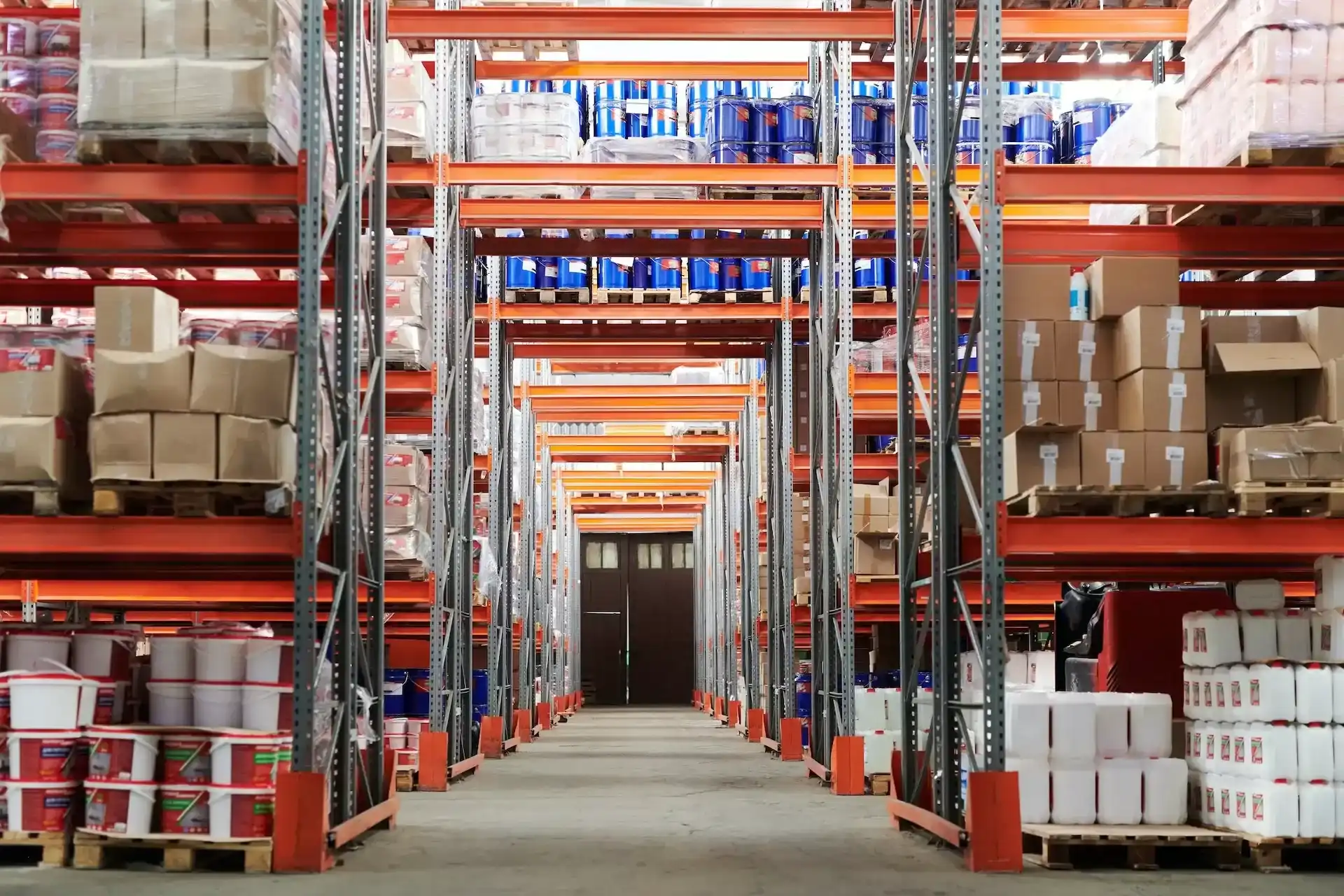
How Automation is Transforming Warehousing and Storage Efficiency
Automation is reshaping warehousing and storage in 2026 by integrating AI-driven robots, AS/RS systems, and smart software for unmatched efficiency. Businesses gain 25-50% productivity boosts, lower labor costs, and sustainable operations amid e-commerce surges. This guide covers key technologies, benefits, case studies, and implementation steps.
March 30, 2026 · By PrepFort TeamHow Automation is Transforming Warehousing and Storage Efficiency
Automation is revolutionizing the warehousing and storage industry in 2026, driving unprecedented efficiency gains for e-commerce and logistics businesses. By integrating AI, robotics, and smart software, companies are slashing costs, speeding up operations, and scaling to meet surging demand.
Introduction to Warehouse Automation
Warehouse automation encompasses technologies like robots, AI systems, and IoT devices that handle tasks from inventory receipt to order fulfillment. This shift addresses chronic labor shortages and the explosion of online orders, with adoption rates climbing rapidly worldwide.
In 2026, the focus has moved toward intelligent, software-led systems that optimize every aspect of storage and movement. Businesses report productivity boosts of 25-50%, making automation essential for staying competitive in supply chain management.
Key Automation Technologies Driving Change
Several cutting-edge technologies are at the forefront of this transformation.
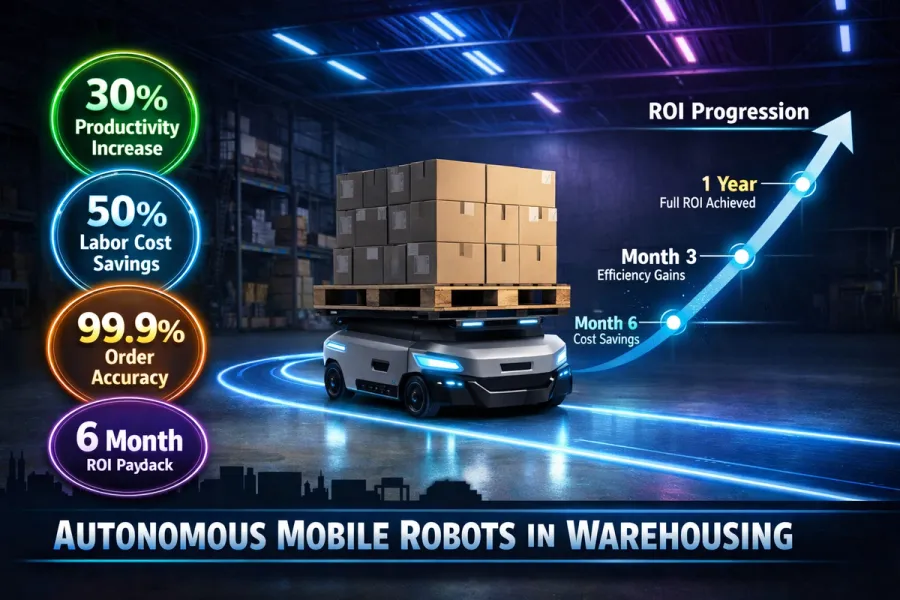
Autonomous Mobile Robots (AMRs) navigate warehouses dynamically, transporting goods without fixed paths and reducing manual labor by up to 40%. Automated Storage and Retrieval Systems (AS/RS) use high-density shuttles to store and retrieve items three times faster than human pickers.
AI-powered Warehouse Execution Systems (WES) coordinate robots and workers in real-time, using predictive analytics to handle demand spikes. Robotics-as-a-Service (RaaS) offers flexible, subscription-based deployment, allowing scalability without massive upfront investments.
Digital twins create virtual models of warehouses for testing layouts and processes, minimizing real-world disruptions.
Benefits of Automation for Storage Efficiency
Automation maximizes storage space and operational speed in profound ways.
Labor costs drop by 25-30% as robots handle repetitive tasks, freeing humans for strategic roles amid global worker shortages. Order fulfillment accelerates by 300%, achieving near-perfect accuracy rates critical for e-commerce customer satisfaction.
Energy efficiency improves through optimized routing and predictive maintenance, which cuts equipment downtime by 30-50%. These gains translate to sustainable operations that lower overall environmental impact while boosting profitability.
AI and Machine Learning in Warehousing
AI and machine learning are the brains behind modern automation, enabling proactive decision-making.
Dynamic slotting algorithms analyze product velocity and demand patterns to reposition inventory, slashing worker travel time. Agentic AI even automates procurement and replenishment, reducing material handling needs by 30-40%.
In cold storage, AI predicts spoilage risks and optimizes temperature controls, ensuring perishable goods maintain quality throughout the supply chain.
Robotics Across Inbound and Outbound Processes
Inbound operations benefit from robotic depalletizing and AI vision systems that inspect goods upon arrival.
Outbound processes use auto-traying and case-handling robots for rapid packing and shipping. Hybrid setups pair humans with robots for complex piece picking, while modular AS/RS replaces traditional racking for flexible bulk storage.
Pallet shuttle systems excel in high-volume environments, speeding replenishment and outbound flows seamlessly.
Advanced robotic arms like those shown here demonstrate precision in handling diverse inventory types across massive facilities.
Sustainability Through Automated Systems
Automation supports green initiatives critical for 2026 regulatory compliance.
Renewable energy powers low-emission robots, and IoT sensors enable precise resource monitoring. Vertical lift modules conserve floor space while promoting energy-efficient designs that reduce carbon footprints.
Predictive analytics further extends equipment lifespan, minimizing waste and supporting circular economy principles in logistics.
Real-World Success Stories
Logistics giants like Saddle Creek have piloted AI-WES integrations, pre-positioning inventory for peak seasons with flawless execution.
Vertical Storage USA combines VLMs with AI to achieve 40% productivity lifts in high-SKU environments. Mega-distribution centers leverage shuttle AS/RS for consistent throughput, even during global disruptions.
Overcoming Common Challenges
Initial costs deter some, but RaaS models and modular upgrades make entry affordable with ROI in 12-18 months.
Legacy system integration is simplified by orchestration software that bridges old and new tech. Workforce training emphasizes hybrid skills, turning potential job losses into opportunities for higher-value oversight roles.
Emerging Trends for 2026 and Beyond
Software will dominate, with agentic AI orchestrating full warehouse ecosystems by 2027.
Micro-fulfillment centers in urban areas will proliferate using compact AS/RS for same-day delivery. Balanced hybrid models will prevail, blending automation's speed with human adaptability for optimal results.
Step-by-Step Implementation Roadmap
Begin with a thorough audit of current bottlenecks, such as slow picking or inefficient slotting.
Pilot RaaS solutions for quick wins, then integrate WES for comprehensive control. Invest in staff training for hybrid operations and track KPIs like throughput and accuracy.
Mid-sized warehouses can budget $500K-$2M for upgrades, often recouping costs within the first year through efficiency gains.
Conclusion
Automation is turning warehouses into intelligent hubs that power modern commerce. Adopting these 2026 innovations positions businesses for scalable growth, cost leadership, and unmatched storage efficiency.