
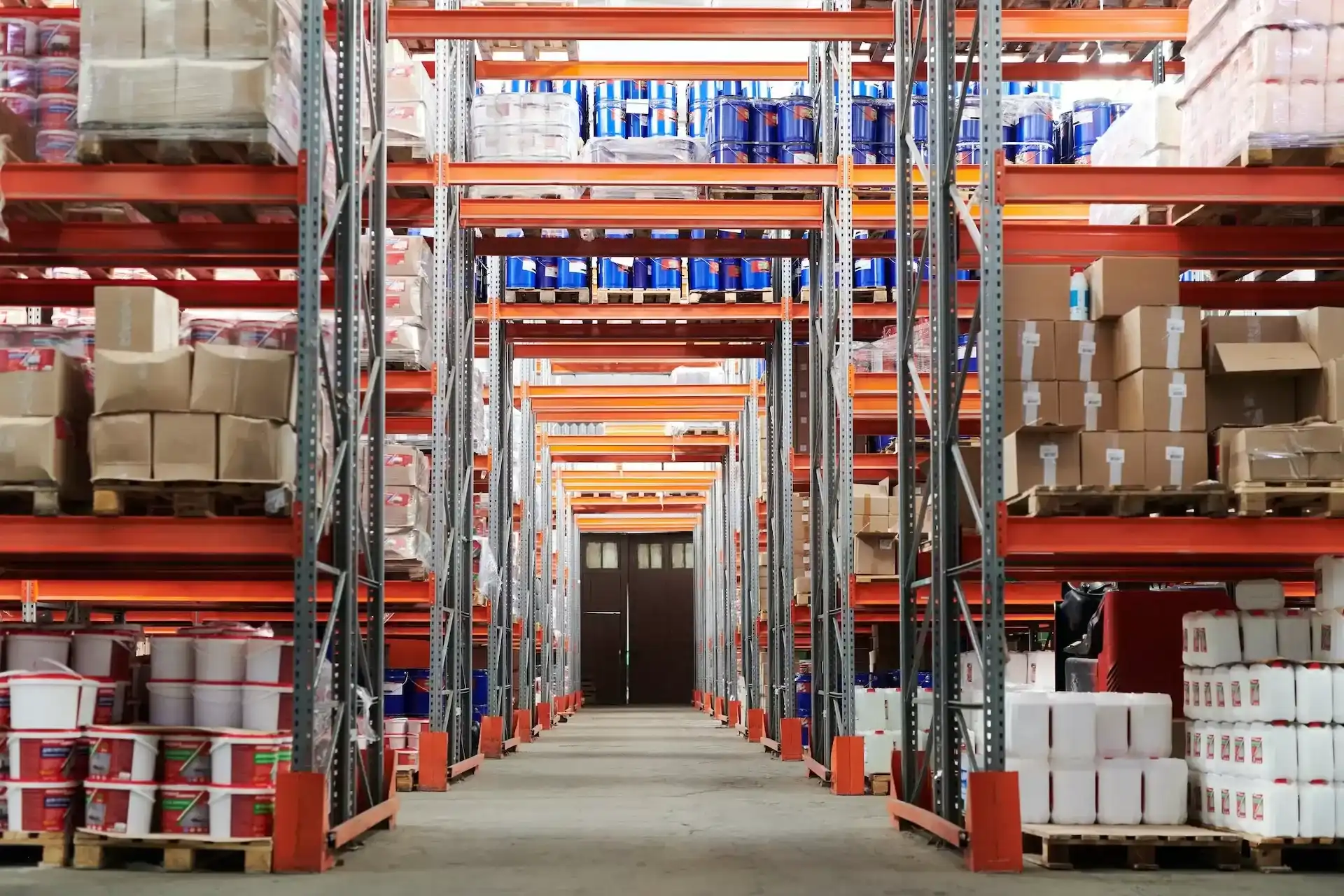
Co-Packing Illinois: Complete Guide to Turnkey Contract Packaging and Organic Kosher Solutions
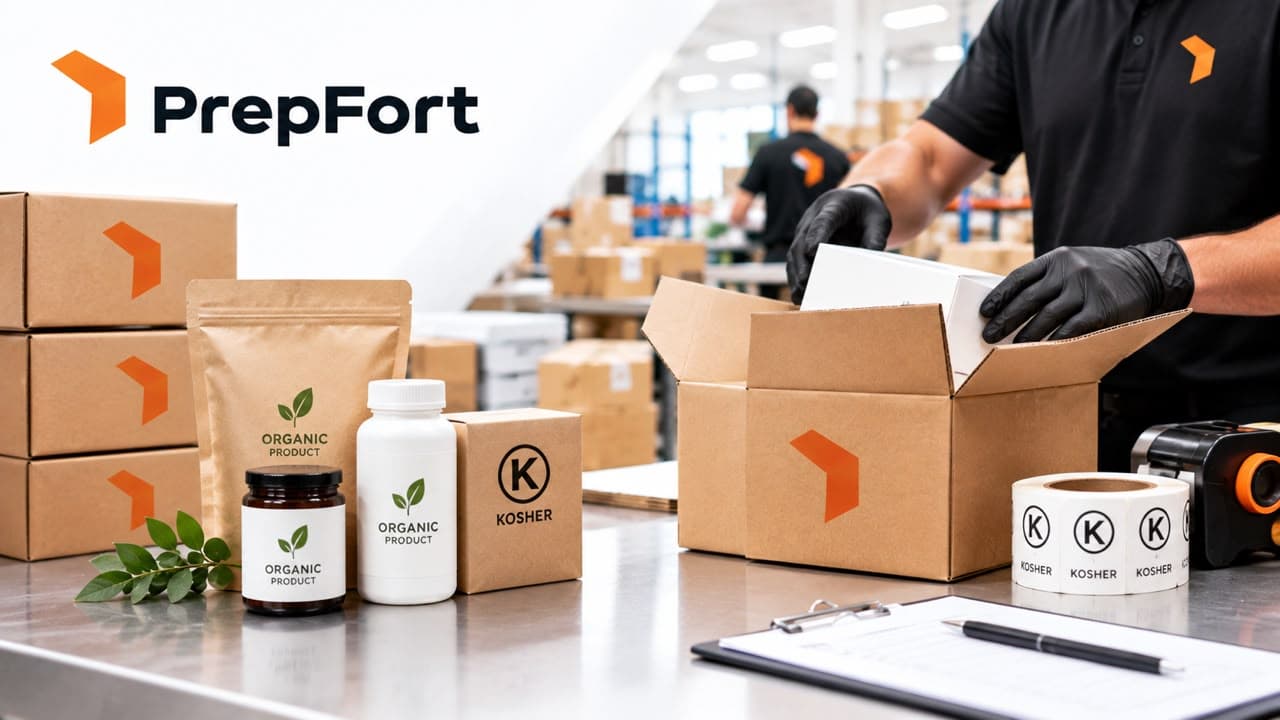
Discover top co-packing Illinois services including turnkey contract packaging Chicago, organic kosher co-packer IL, and food contract packaging. Complete 2026 guide.
September 29, 2026 · By PrepFort TeamWhen it comes to food and beverage manufacturing, contract packaging, and co-packing services, location can make or break your supply chain efficiency. Illinois, and particularly the Chicago metropolitan area, has emerged as one of the nation's leading hubs for co-packing services, offering businesses strategic advantages that extend far beyond simple geography.
For brands seeking co-packing Illinois, turnkey contract packaging Chicago, or specialized services like an organic kosher co-packer IL, the state provides unmatched infrastructure, experienced providers, and cost-effective operations. From its central location within the United States to its robust transportation network and concentration of food manufacturing expertise, Illinois enables faster, more efficient, and more compliant packaging operations.
In this comprehensive guide, we'll explore everything you need to know about co-packing services in Illinois, including what co-packing entails, why Illinois and Chicago are ideal locations, the specific services available (turnkey contract packaging, organic and kosher co-packing, food and beverage packaging, and more), how to choose the right partner, costs, compliance considerations, and best practices for optimizing your co-packing strategy.
Whether you're a startup food brand launching your first product, an established CPG company scaling operations, or a specialty brand requiring organic or kosher certification, this guide will equip you with the knowledge to make informed decisions about your Illinois-based co-packing partner.
What Is Co-Packing?
Defining Co-Packing and Contract Packaging
Co-packing (short for contract packaging) is the process of outsourcing the packaging, labeling, assembly, and preparation of products to a third-party facility. Instead of investing in your own packaging equipment, hiring trained operators, and managing compliance documentation, you partner with a co-packer who handles these functions on your behalf.
Co-packing is distinct from contract manufacturing. A contract manufacturer produces the actual product—cooking, mixing, molding, and forming. A co-packer focuses on packaging finished goods: bagging, boxing, labeling, kitting, and preparing products for retail, ecommerce, or wholesale distribution.
Types of Co-Packing Services
1. Food and Beverage Co-Packing
Packaging of food products including snacks, confectionery, beverages, sauces, spices, and prepared foods for retail, foodservice, or ecommerce channels.
2. Turnkey Contract Packaging
End-to-end packaging solutions that include sourcing packaging materials, product packaging, labeling, quality control, and distribution—all managed by the co-packer.
3. Organic and Specialty Co-Packing
Packaging services for organic, natural, kosher, halal, gluten-free, or other certified products requiring specialized handling and compliance.
4. Retail-Ready Packaging
Products packaged and prepared for direct shipment to retail stores, complete with planogram-ready displays, barcodes, and retail compliance labeling.
5. Ecommerce Fulfillment and Kitting
Packaging and fulfillment services tailored for direct-to-consumer (DTC) ecommerce, including subscription boxes, gift sets, and multi-product bundles.
6. Private Label Co-Packing
Packaging services for private label brands, including custom labeling, branding, and compliance with retailer requirements.
Why Choose Illinois and Chicago for Co-Packing Services?
1. Strategic Central Location
Illinois's central location within the United States provides unparalleled access to major population centers and distribution networks. From Illinois, you can reach:
80% of the U.S. population within a 2-day ground shipping radius
Major markets like New York, Los Angeles, Dallas, and Atlanta within 1-3 days
Canadian markets through established cross-border logistics networks
This central positioning reduces shipping zones for most destinations, translating to lower shipping costs and faster delivery times for your products.
2. Robust Transportation Infrastructure
Chicago and Illinois are among the nation's most connected logistics hubs, with:
Highway Access: Intersection of major interstate highways (I-90, I-94, I-55, I-290, I-294)
Rail Networks: Largest rail hub in North America, with extensive freight rail connectivity
Air Cargo: O'Hare International Airport, one of the busiest cargo airports in the world
Port Access: Proximity to the Port of Chicago and Great Lakes shipping routes
This multi-modal infrastructure provides flexibility and redundancy, ensuring your products can move efficiently regardless of shipping method or seasonal constraints.
3. Concentration of Experienced Co-Packers
Illinois has a dense concentration of experienced co-packing providers specializing in food, beverage, confectionery, and specialty products. This competitive landscape means:
More options to find a partner that fits your specific needs
Competitive pricing due to market competition
Access to specialized expertise (organic, kosher, confectionery, snacks, etc.)
Established carrier relationships for better shipping rates
4. Food Manufacturing Expertise
The Chicago and Illinois region has a long history as a food manufacturing hub, with:
Deep talent pool of experienced food industry professionals
Established supply chains for packaging materials and ingredients
Food safety expertise and regulatory knowledge
Access to food industry networks and resources
5. Cost-Effective Operations
Compared to coastal manufacturing hubs like Los Angeles or New York, Illinois offers:
Lower real estate and facility costs
Competitive labor rates
Reduced shipping costs due to central location
Lower overall operational expenses passed on to clients
Co-Packing Illinois: Core Services and Capabilities
Food and Beverage Co-Packing
Illinois co-packers offer comprehensive food and beverage packaging services including:
1. Dry Goods and Snacks
Bagging for chips, nuts, trail mixes, and snacks
Box packing for crackers, cookies, and baked goods
Flow wrapping for individual portions
Retail-ready packaging and labeling
2. Confectionery and Candy
Flow wrapping for individual candies
Bagging for retail pouches and bulk bags
Box packing for gift tins and premium assortments
Seasonal packaging for holidays and promotions
3. Beverages and Liquids
Bottling and canning for beverages
Pouch filling for liquid products
Labeling and shrink sleeving
Case packing and palletizing
4. Sauces, Spices, and Condiments
Pouch and bottle filling
Labeling with nutritional information
Batch coding and expiration dating
Retail compliance packaging
Turnkey Contract Packaging Chicago
Turnkey contract packaging refers to end-to-end packaging solutions where the co-packer manages the entire process from start to finish. This includes:
1. Packaging Sourcing and Procurement
Sourcing packaging materials (boxes, pouches, bottles, labels)
Negotiating with packaging suppliers
Quality inspection of incoming materials
Inventory management of packaging components
2. Product Receiving and Storage
Receiving finished products from manufacturer
Inspecting and counting inventory
Climate-controlled storage (if needed)
Inventory tracking and management
3. Packaging and Labeling
Product packaging according to specifications
Custom labeling with brand artwork
Nutritional information and compliance labeling
Batch coding and expiration dating
4. Quality Control and Compliance
In-process quality checks
Final audit before shipping
Compliance with FDA and retailer requirements
Documentation and traceability
5. Distribution and Fulfillment
Warehousing of finished goods
Order fulfillment for retail, ecommerce, or wholesale
Multi-carrier shipping (USPS, UPS, FedEx, etc.)
Retail compliance and routing
Organic and Kosher Co-Packing Illinois
For brands requiring organic, kosher, or other specialty certifications, Illinois offers specialized co-packing providers with relevant certifications and expertise.
1. Organic Co-Packing
USDA Organic certified facilities
Dedicated organic production lines to prevent cross-contamination
Organic certification documentation and traceability
Experience with organic compliance and audits
2. Kosher Co-Packing
OU Kosher, OK Kosher, or other certified facilities
Kosher supervision and mashgiach on-site
Kosher compliance documentation
Experience with kosher product handling
3. Other Specialty Certifications
Gluten-free certified facilities
Non-GMO Project verification
Halal certification
Allergen-free production environments
4. Documentation and Traceability
Lot tracking and traceability systems
Certificate of Analysis (COA) for each batch
Audit-ready documentation
Compliance with certification body requirements
Turnkey Contract Packaging Chicago: What to Expect
End-to-End Service Model
Turnkey contract packaging in Chicago provides a comprehensive, hands-off solution for brands. Instead of managing multiple vendors for packaging materials, co-packing, labeling, and distribution, you work with one partner who handles everything.
Typical Turnkey Workflow:
Step 1: Consultation and Planning
Discuss product specifications and packaging requirements
Review branding, labeling, and compliance needs
Determine packaging materials and sourcing strategy
Establish timelines and milestones
Step 2: Packaging Sourcing
Source packaging materials (boxes, pouches, bottles, labels)
Obtain quotes from packaging suppliers
Approve packaging samples and proofs
Coordinate delivery to co-packing facility
Step 3: Product Receiving
Receive finished products from manufacturer
Inspect and count inventory
Store in appropriate conditions (ambient, refrigerated, frozen)
Track inventory in warehouse management system
Step 4: Packaging and Labeling
Package products according to specifications
Apply custom labels with brand artwork
Add nutritional information and compliance labeling
Include batch codes and expiration dates
Step 5: Quality Control
Conduct in-process quality checks
Perform final audit before shipping
Document quality control results
Address any issues or defects
Step 6: Warehousing and Distribution
Store finished goods in warehouse
Fulfill orders for retail, ecommerce, or wholesale
Ship via appropriate carriers (USPS, UPS, FedEx, freight)
Provide tracking and delivery confirmation
Step 7: Reporting and Reconciliation
Provide inventory reports and updates
Reconcile packaging materials and products
Share quality control and compliance documentation
Plan for future production runs
Benefits of Turnkey Contract Packaging
1. Simplified Supply Chain
Manage one relationship instead of multiple vendors for packaging, co-packing, and distribution.
2. Reduced Coordination Burden
The co-packer handles all coordination between packaging suppliers, manufacturers, and distributors.
3. Faster Time to Market
Streamlined processes and established workflows reduce lead times from concept to shelf.
4. Cost Efficiency
Bundled services and established supplier relationships often result in lower overall costs.
5. Expertise and Compliance
Access to co-packer expertise in packaging, labeling, compliance, and distribution without building in-house capabilities.
Organic Kosher Co-Packer IL: Specialized Services for Certified Products
Why Organic and Kosher Certification Matters
For brands targeting health-conscious consumers, specialty retailers, or specific demographic segments, organic and kosher certifications are essential. These certifications signal quality, adherence to specific standards, and alignment with consumer values.
Organic Certification Benefits:
Access to premium pricing and margins
Eligibility for organic-focused retailers (Whole Foods, natural channels)
Alignment with consumer demand for clean, natural products
Compliance with USDA Organic regulations
Kosher Certification Benefits:
Access to kosher-observant consumer base (12+ million Americans)
Year-round sales (not just Passover)
Perception of quality and oversight
Eligibility for kosher sections in mainstream retailers
What to Look for in an Organic Kosher Co-Packer
1. Valid Certifications
Ensure the co-packer holds current, valid certifications from recognized bodies:
Organic: USDA Organic certification, verified by accredited certifying agent
Kosher: OU Kosher, OK Kosher, Kof-K, or other recognized kosher certification
Other: Gluten-free, Non-GMO, Halal, etc. (if applicable)
2. Dedicated Production Lines
For organic and kosher products, dedicated production lines prevent cross-contamination with non-certified products.
3. Experienced Staff
Look for co-packers with experienced staff familiar with organic and kosher compliance, including:
Understanding of certification requirements
Proper handling and segregation procedures
Documentation and traceability systems
Audit preparation and compliance
4. Traceability Systems
Robust traceability systems track products from receipt through packaging to shipment, including:
Lot tracking and batch codes
Ingredient and packaging traceability
Certificate of Analysis (COA) for each batch
Audit-ready documentation
5. Audit History
Ask about the co-packer's audit history with certification bodies:
Frequency of audits (annual, semi-annual)
Any past violations or corrective actions
Current certification status
References from other certified brands
Common Products Packaged by Organic Kosher Co-Packers
Organic snacks and trail mixes
Kosher confectionery and candy
Organic spices and seasonings
Kosher baked goods and cookies
Organic beverages and juices
Kosher sauces and condiments
Organic nut butters and spreads
Kosher prepared foods and meals
How to Choose the Right Co-Packing Partner in Illinois
Key Selection Criteria
1. Service Capabilities
Ensure the co-packer offers the specific services you need:
Food and beverage co-packing
Turnkey contract packaging
Organic and/or kosher certification
Retail-ready packaging
Ecommerce fulfillment and kitting
Private label services
2. Certifications and Compliance
Verify relevant certifications and compliance:
USDA Organic certification (if applicable)
Kosher certification (OU, OK, Kof-K, etc.)
FDA registration and food safety certifications (SQF, BRC, etc.)
Retail compliance experience (Walmart, Target, Whole Foods, etc.)
3. Industry Experience
Look for co-packers with experience in your specific category:
Confectionery and candy
Snacks and dry goods
Beverages and liquids
Sauces and condiments
Organic and natural products
Kosher and specialty foods
4. Facility and Equipment
Assess their physical operations:
Facility size and capacity
Equipment capabilities (flow wrappers, baggers, labelers, etc.)
Climate-controlled storage (if needed)
Security measures and insurance
Scalability for future growth
5. Technology and Systems
Evaluate their technology stack:
Warehouse management system (WMS)
Lot tracking and traceability
Quality control systems
Reporting and visibility dashboards
Integration capabilities with your systems
6. Pricing and Transparency
Understand their pricing model:
Clear, transparent pricing structure
No hidden fees or surprise charges
Competitive rates for your volume
Flexibility for scaling up or down
Value for the services provided
7. Customer Service and Communication
Evaluate their responsiveness and support:
Dedicated account manager
Regular communication and reporting
Problem-solving approach
References and client testimonials
Cultural fit with your team
Questions to Ask Potential Co-Packers
What co-packing services do you specialize in?
Do you have experience with products like mine (category, size, volume)?
What certifications do you hold (organic, kosher, food safety, etc.)?
What is your typical turnaround time from product receipt to shipment?
How do you handle peak seasons and scaling?
What is your error rate, and how do you handle mistakes?
Can you provide references from current clients with similar products?
What reporting and visibility do you provide?
How do you handle quality control and compliance?
What are your security measures and insurance coverage?
Do you offer turnkey services including packaging sourcing?
What are your minimum order quantities (MOQs)?
Costs: What to Expect for Co-Packing Services in Illinois
Pricing Models
Illinois co-packers typically use one or more of these pricing models:
1. Per-Unit Pricing
Fixed fee per unit packaged
May vary by packaging format and complexity
Common for standard packaging operations
2. Per-Hour Labor Pricing
Hourly rate for labor-intensive packaging
Common for manual assembly or custom kitting
May include minimum hour commitments
3. Turnkey Project Pricing
Bundled pricing for end-to-end services
Includes packaging materials, labor, and distribution
Common for turnkey contract packaging
4. Storage Fees
Monthly fee per pallet, shelf, or square foot
May include minimum storage commitments
Varies by storage type (ambient, refrigerated, frozen)
5. Receiving and Handling Fees
Fee for receiving and inspecting incoming products
May be per pallet, per hour, or per SKU
6. Value-Added Services
Additional fees for labeling, coding, special handling
Customization and retail compliance services
Quality control and documentation
Typical Cost Ranges in Illinois
While costs vary significantly based on volume, complexity, and provider, here are rough ranges:
Standard Co-Packing:
Simple bagging or boxing: $0.50–$2.00 per unit
Flow wrapping: $0.30–$1.50 per unit
Labeling: $0.10–$0.50 per unit
Case packing: $0.50–$2.00 per case
Turnkey Contract Packaging:
Bundled services: $1.50–$5.00+ per unit (depending on complexity)
Packaging materials: Variable based on specifications
Warehousing: $15–$40 per pallet per month
Distribution: Variable based on destinations
Organic and Kosher Co-Packing:
Premium for certified handling: 10-30% above standard rates
Dedicated line usage: May include minimum commitments
Certification documentation: Included or nominal fee
Note: These are estimated ranges. Actual costs depend on volume, complexity, certifications, and specific provider. Request detailed quotes from multiple providers for accurate comparisons.
Compliance and Food Safety Considerations
FDA Regulations
All co-packers handling food products must comply with FDA regulations, including:
FDA Facility Registration: Co-packer must be registered with the FDA
Current Good Manufacturing Practices (cGMP): Compliance with food safety and sanitation standards
HACCP Plans: Hazard Analysis and Critical Control Points for food safety
Food Defense Plans: Measures to prevent intentional contamination
Traceability Requirements: Lot tracking and recall capabilities
Food Safety Certifications
Look for co-packers with recognized food safety certifications:
SQF (Safe Quality Food): Globally recognized food safety and quality certification
BRC (British Retail Consortium): International food safety standard
FSSC 22000: Food Safety System Certification
ISO 22000: International food safety management standard
Organic Compliance
For organic products, ensure compliance with USDA Organic regulations:
USDA Organic Certification: Co-packer must be certified by accredited agent
Organic System Plan: Documented procedures for organic handling
Segregation: Dedicated lines or thorough cleaning to prevent cross-contamination
Traceability: Lot tracking and documentation for organic products
Annual Audits: Regular audits by certifying agent
Kosher Compliance
For kosher products, ensure proper kosher certification and handling:
Kosher Certification: OU, OK, Kof-K, or other recognized certification
Mashgiach Supervision: On-site kosher supervision (if required)
Kosher Ingredients: All ingredients must be kosher-certified
Equipment Kosherization: Proper kosherization of equipment
Documentation: Kosher certificates for all ingredients and products
Retail Compliance
If selling to major retailers, ensure co-packer experience with retail compliance:
Barcode and Labeling: Proper UPC/EAN barcodes and retail-ready labels
Case and Pallet Labels: Compliance with retailer labeling requirements
Routing and Shipping: Adherence to retailer routing guides
Chargeback Prevention: Experience avoiding retail chargebacks
EDI Capabilities: Electronic data interchange for order management
Best Practices for Optimizing Your Co-Packing Strategy
1. Plan Ahead for Production Runs
Co-packing capacity can be tight, especially during peak seasons. Plan early:
Book co-packing capacity 2-3 months in advance
Confirm packaging materials delivery timelines
Communicate production timelines clearly with your co-packer
Build buffer time for unexpected delays
2. Standardize Your Packaging Specifications
Clear, detailed specifications reduce errors and costs:
Create detailed packaging instructions and SOPs
Use clear photos and diagrams for packaging requirements
Standardize packaging materials and labeling
Implement quality checkpoints and approval processes
3. Optimize Packaging for Efficiency
Efficient packaging design reduces costs and improves throughput:
Right-size packaging to minimize material costs
Design for easy assembly and automation
Consider packaging that ships efficiently (dimensional weight)
Test packaging for durability in transit
4. Leverage Technology for Visibility
Stay informed with real-time data:
Use co-packer's dashboard for inventory and order visibility
Set up automated alerts for low stock or issues
Integrate systems for seamless data flow
Review regular performance and quality reports
5. Build Strong Communication Channels
Clear communication prevents problems:
Assign dedicated points of contact on both sides
Schedule regular check-ins (weekly or monthly)
Escalate issues promptly
Share forecasts and production plans proactively
6. Monitor and Optimize Continuously
Continuous improvement drives better results:
Track key metrics (error rate, on-time shipping, cost per unit)
Review customer and retailer feedback
Identify bottlenecks and inefficiencies
Implement improvements iteratively
7. Maintain Compliance Documentation
Stay audit-ready with proper documentation:
Keep all certifications current and accessible
Maintain lot tracking and traceability records
Document quality control checks and results
Prepare for audits with organized documentation
Co-Packing Illinois: FAQs
What is co-packing?
Co-packing (contract packaging) is the process of outsourcing the packaging, labeling, assembly, and preparation of products to a third-party facility. Instead of investing in your own packaging equipment, you partner with a co-packer who handles these functions on your behalf.
What is turnkey contract packaging?
Turnkey contract packaging is an end-to-end packaging solution where the co-packer manages the entire process from packaging sourcing to distribution. This includes sourcing materials, product packaging, labeling, quality control, warehousing, and fulfillment—all managed by one partner.
What is an organic kosher co-packer?
An organic kosher co-packer is a co-packing facility with both USDA Organic and kosher (OU, OK, Kof-K, etc.) certifications. These co-packers specialize in handling organic and kosher products with dedicated lines, proper segregation, and compliance documentation.
Why choose Illinois for co-packing services?
Illinois offers a strategic central location with access to 80% of the U.S. population within 2-day ground shipping, robust transportation infrastructure (highways, rail, air cargo), experienced co-packers, food manufacturing expertise, and cost-effective operations compared to coastal hubs.
How much does co-packing cost in Illinois?
Costs vary by complexity and volume. Standard co-packing ranges from $0.30–$2.00 per unit depending on packaging format. Turnkey contract packaging ranges from $1.50–$5.00+ per unit. Organic and kosher co-packing may include a 10-30% premium. Request quotes for accurate pricing.
How long does co-packing take?
Turnaround times vary by provider and volume. Typical timelines include 1-2 weeks for standard co-packing runs, 2-4 weeks for turnkey projects (including packaging sourcing), and 3-6 weeks for large or complex programs. Peak seasons may extend timelines.
What certifications should I look for in a co-packer?
Look for FDA registration, food safety certifications (SQF, BRC, FSSC 22000), and relevant specialty certifications (USDA Organic, kosher, gluten-free, Non-GMO, etc.) based on your product requirements.
Do Illinois co-packers handle retail compliance?
Yes. Many Illinois co-packers have experience with retail compliance for major retailers (Walmart, Target, Whole Foods, etc.), including proper labeling, barcoding, routing, and chargeback prevention.
Can co-packers handle organic and kosher products?
Yes. Many Illinois co-packers specialize in organic and kosher co-packing with proper certifications, dedicated lines, and compliance documentation. Verify certifications and ask about their experience with certified products.
How do I choose the right co-packer in Illinois?
Evaluate co-packers based on service capabilities, certifications and compliance, industry experience, facility and equipment, technology and systems, pricing transparency, and customer service. Ask detailed questions, request references, and compare multiple quotes before deciding.
Conclusion: Ready to Partner with an Illinois Co-Packing Provider?
For brands seeking co-packing Illinois, turnkey contract packaging Chicago, or specialized services like an organic kosher co-packer IL, the state offers unmatched advantages. From its strategic central location and robust infrastructure to its concentration of experienced providers and cost-effective operations, Illinois is the ideal hub for your co-packing needs.
Whether you're launching a new food product, scaling your packaging operations, or requiring specialized organic or kosher certification, partnering with the right Illinois-based co-packer can transform your packaging from a burden into a competitive advantage.